Managing Dog Aggression with UK Experts: dog aggression solutions uk
- Luke Houston
- Mar 17
- 4 min read

Living with a dog that shows signs of aggression can be challenging. It’s natural to feel worried or unsure about how to handle these behaviours. But the good news is, with the right guidance and support, you can help your dog become calmer and more confident. I want to share some practical advice and insights from UK experts that can make a real difference. Together, we can turn those tense moments into peaceful ones.
Understanding dog aggression solutions uk
Aggression in dogs can show up in many ways - growling, snapping, lunging, or even biting. It’s important to remember that aggression is often a form of communication. Your dog might be scared, in pain, or feeling threatened. Understanding the root cause is the first step towards managing it effectively.
In the UK, many experts focus on positive reinforcement and gentle training methods. These approaches help build trust and encourage good behaviour without fear or punishment. For example, if your dog reacts aggressively when meeting new dogs, a gradual introduction with treats and calm praise can help them feel safe.
Here are some common causes of aggression to consider:
Fear or anxiety
Territorial behaviour
Protective instincts
Pain or illness
Lack of socialisation
By identifying the cause, you can tailor your approach to suit your dog’s needs. This personalised care is what makes a big difference in the long run.
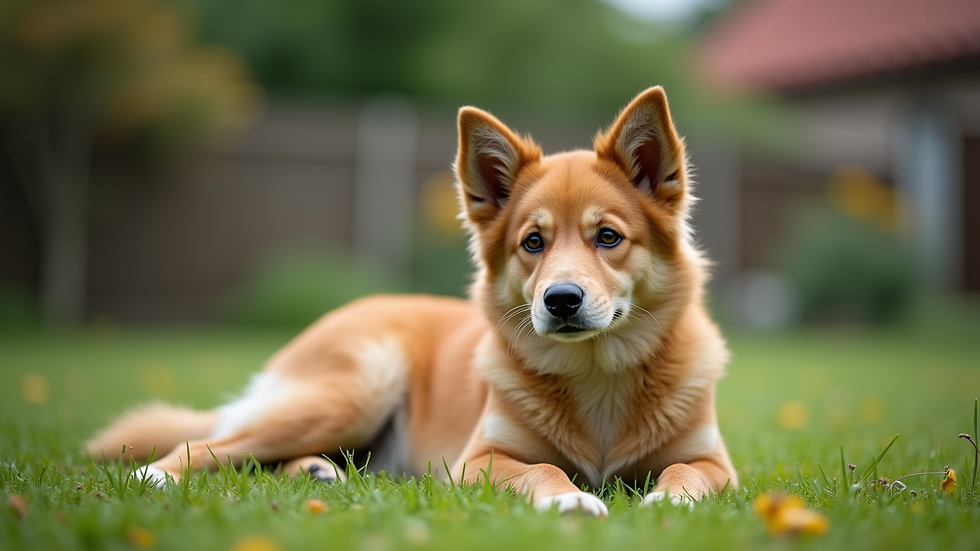
How to discipline a dog for being aggressive?
Discipline doesn’t mean punishment. It means teaching your dog what behaviour is acceptable and what isn’t. When dealing with aggression, harsh discipline can make things worse. Instead, focus on clear, consistent boundaries combined with positive rewards.
Here are some tips to discipline your dog gently and effectively:
Stay calm - Dogs pick up on your emotions. If you stay calm, your dog is more likely to feel secure.
Use clear commands - Simple words like “No” or “Leave it” work best.
Redirect attention - If your dog starts to show aggression, distract them with a toy or treat.
Reward good behaviour - Praise and treats reinforce calm and friendly actions.
Avoid physical punishment - This can increase fear and aggression.
Remember, patience is key. It may take time for your dog to learn new habits, but every small step counts.
Working with UK professionals for dog aggression training
Sometimes, professional help is the best way forward. UK experts in dog behaviour have the skills and experience to guide you through this journey. They can assess your dog’s behaviour, identify triggers, and create a tailored training plan.
One great resource is dog aggression training uk. These programmes focus on positive methods that respect your dog’s wellbeing. Trainers often use techniques like desensitisation and counter-conditioning to change how your dog reacts to triggers.
Working with a professional also means you get support and advice when you need it. They can show you how to read your dog’s body language and respond appropriately. This builds your confidence and strengthens your bond with your furry friend.

Creating a safe environment at home
Managing aggression isn’t just about training sessions. Your home environment plays a big role too. Making your dog feel safe and secure can reduce stress and aggressive behaviour.
Here are some practical steps to create a calm space:
Provide a quiet, comfortable area where your dog can retreat.
Use baby gates or barriers to control access to certain rooms.
Keep a consistent routine for feeding, walks, and playtime.
Avoid situations that trigger aggression until your dog is ready.
Use calming aids like pheromone diffusers or soothing music if needed.
These small changes can help your dog relax and feel more in control.
Encouraging positive socialisation and exercise
Regular exercise and socialisation are essential for a well-balanced dog. They help release energy and reduce anxiety, which can lower aggression levels.
Start with short, controlled walks in quiet areas. Gradually introduce your dog to other dogs and people in a calm way. Always watch for signs of stress and take breaks if needed.
Group training classes or playdates with friendly dogs can be great opportunities for socialisation. Just make sure the environment is safe and positive.
Remember, every dog is different. Some may need more time and patience to feel comfortable around others.
Moving forward with hope and confidence
Managing dog aggression is a journey, not a quick fix. But with kindness, consistency, and expert support, you can help your dog become a happier, calmer companion. Celebrate every small victory and don’t hesitate to ask for help when you need it.
Your dog trusts you to guide them through their fears and challenges. Together, you can build a strong, loving relationship that lasts a lifetime.
If you’re ready to take the next step, consider reaching out to local UK trainers who specialise in positive, effective dog aggression solutions. Your furry friend deserves the best care and support.
Thank you for reading. I hope these insights bring you comfort and practical ideas to manage your dog’s aggression with confidence and warmth. Remember, every dog can change with the right approach. Keep going - you’re doing a wonderful job!


Comments